
Active Listening: The Secret to Better Communication
Penulis: Lois Costantine Daneswara – Universitas Kristen Indonesia
Have you ever talked to someone who seemed to be listening but was actually busy scrolling through their phone? Or perhaps you have experienced a conversation where someone interrupted you before you could finish expressing your thoughts? It can feel frustrating, right?
Communication is not just about expressing our thoughts. It is also about understanding other people’s perspectives. Sometimes, the secret to becoming a good communicator is not knowing what to say, but knowing how to listen. This is where active listening comes in!
Active listening is more than simply hearing what someone says. It means giving your full attention, trying to understand their message, and responding thoughtfully. According to Spataro and Bloch (2018), active listening involves attention, inquiry, reflection, respect, and empathy.
For students, this skill is especially useful in everyday situations, whether you are talking to friends, participating in classroom discussions, working on group projects, or communicating with family.
So, how can you become a better listener? Here are four practical tips to help you improve your active listening skills!
1. Understand What Active Listening Really Means
First, you need to understand the difference between hearing and listening.
Hearing happens naturally when sounds reach your ears. Listening, however, requires attention and effort to understand the message being communicated.
For example, imagine your friend is telling you about a difficult experience at school. You hear their words, but your mind is already thinking about what you want to say next. Technically, you hear them, but you are not really listening.
Active listening means focusing on the speaker’s words, feelings, and perspective instead of immediately preparing your response.
The University of Chicago’s Center for Teaching and Learning explains that effective listening involves asking questions, paraphrasing, summarizing, showing attention, and responding with empathy.
This means being a good listener is not simply about staying silent throughout a conversation. It is about making the other person feel heard and understood.

2. Put Away Distractions
Let’s be honest. Our phones can be one of the biggest distractions during conversations.
Imagine having lunch with your friends, but everyone is busy checking notifications, scrolling through social media, or replying to messages. Even though you are sitting together, you may not actually be connecting with one another.
When someone is talking to you, try putting your phone away and focusing on the conversation.
Here are some simple habits you can practice:
- Make appropriate eye contact with the speaker.
- Avoid checking your phone while someone is talking.
- Give the speaker enough time to finish their sentences.
- Pay attention to their facial expressions and tone of voice.
- Avoid thinking about unrelated things while listening.
According to Carnegie Mellon University’s guide to active listening, giving someone your full attention, limiting interruptions, and asking open-ended questions can help create a more trusting and comfortable conversation.
Remember, Sunners, sometimes the best way to show someone that you care is simply by giving them your attention.

3. Don't Just Listen, Understand
Have you ever listened to a friend’s problem and immediately responded with advice without really understanding what happened?
For example, your friend says, “I’m so stressed about my exams.”
Instead of immediately saying, “Just study harder!” try responding with, “It sounds like you’ve been having a difficult time preparing for your exams. What’s been stressing you out the most?”
See the difference?
The second response shows that you are trying to understand your friend’s situation instead of immediately judging them or giving advice.
This is an important part of active listening: understanding both the message and the feelings behind it.
A study by Bletscher and Lee (2021), published in College Teaching, examined active empathetic listening among university students. Their findings showed significant improvements in the measured aspects of listening after students participated in an active listening learning module.
This suggests that listening is not simply a natural ability. It is also a skill that can be practiced and improved.
So, Sunners, before giving advice, try to understand what the other person is actually experiencing. Sometimes, people do not need immediate solutions. They just need someone who is willing to listen.
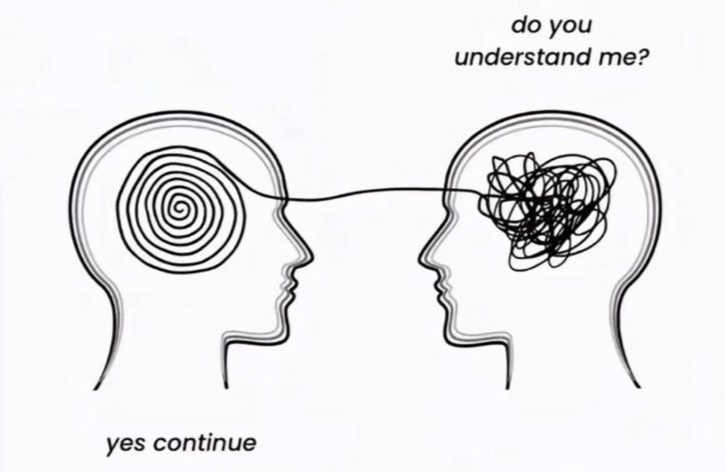
4. Ask Questions and Show Genuine Interest
One way to become a better listener is by asking questions. Why? Because asking thoughtful questions shows that you are genuinely interested in understanding what the other person is saying.
For example, when your friend shares an exciting experience, you can ask:
“How did that happen?”
“What was the most interesting part?”
“How did you feel about it?”
“What happened next?”
These questions encourage the speaker to share more about their experience.
However, remember that asking questions does not mean turning a conversation into an interview. Give the other person enough space to express themselves naturally.
You can also show interest through simple responses, such as nodding, smiling, or saying, “I see,” and “That makes sense.”
The University of Chicago highlights probing questions, paraphrasing, and summarizing as important ways to demonstrate that you are actively processing and understanding a speaker’s message.
By showing genuine interest, you can make conversations more meaningful and build stronger relationships with the people around you.

Sunners, communication is a two-way process. Being able to express your thoughts is important, but knowing how to listen is just as valuable.
Active listening helps us understand different perspectives, show empathy, avoid misunderstandings, and build stronger relationships.
You do not have to become a perfect listener overnight. Start with simple habits: put away your phone, pay attention, let others finish speaking, ask thoughtful questions, and try to understand their feelings.
Remember, good communication is not only about having something to say. It is also about making others feel that what they say matters.
So, Sunners, don’t just hear. Listen, understand, and connect. Start practicing active listening today!
*****
Produk Rekomendasi Sunday









Dapatkan informasi mengenai kesehatan mental, edukasi seksual, dan tips pelajar hanya di Majalah Sunday, teman curhat remaja Indonesia.
Ikutan berkarya di
Konten Lainnya
Terbaru
Terbaru
Dengerin Podcast
Penasaran? Yuk, tonton sekarang di YouTube!
Terpopuler
Terpopuler
Views: 1