
3 A.M Study Trend: Does It Actually Work?
Penulis: Lois Costantine Daneswara – Universitas Kristen Indonesia
Have you ever tried waking up at 3 a.m. to study after watching a study vlog, only to feel sleepy and forget everything you learned? You’re not alone. On social media, studying in the early hours of the morning is often portrayed as a productive habit that can help students achieve better grades. But is waking up at 3 a.m. really the secret to academic success, or is it just another trend that makes students feel they need to do more?
For many Indonesian students, balancing school assignments, exams, and other responsibilities can be challenging. As a result, some students may be tempted to wake up earlier or sacrifice their sleep to get more study time. However, before setting that alarm for 3 a.m., it is worth understanding how social media influences our study habits, how sleep affects learning, and what actually makes a study routine effective.
1. The Influence of Social Media on Study Habits
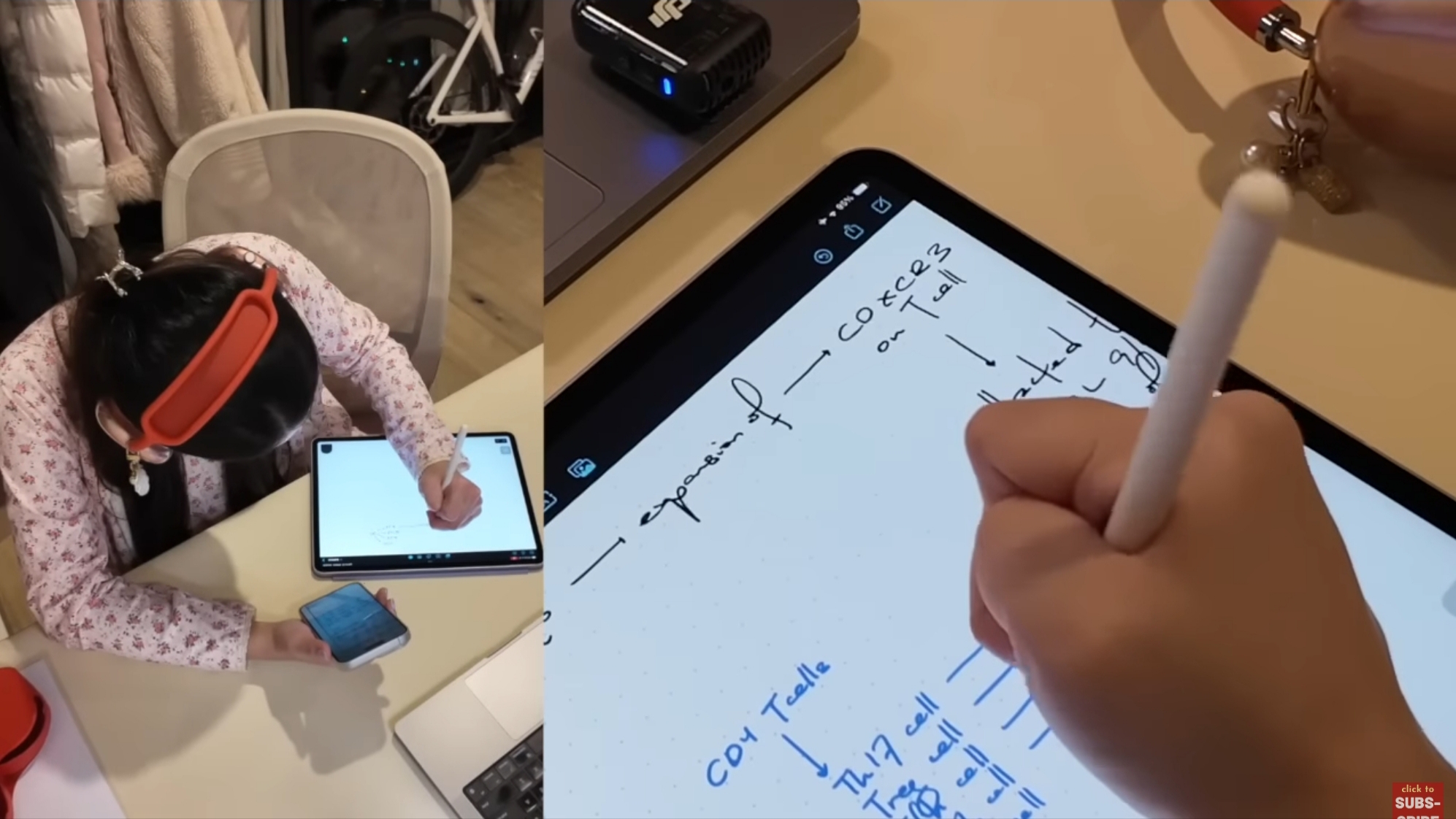
Social media platforms such as TikTok, YouTube, and Instagram have made study vlogs increasingly accessible. Videos featuring aesthetic study spaces, neatly organized notes, and early-morning routines can make studying look enjoyable and productive. Some creators even share routines that begin at 3 a.m., encouraging viewers to follow similar habits to improve their academic performance.
While these videos can motivate students to study, they do not always show the full picture. A creator’s routine may not reveal how much sleep they get, how they manage their responsibilities, or whether their study schedule actually improves their academic results.
As a result, students may compare themselves with people online and feel that they are not working hard enough if they cannot wake up as early as their favorite creators.
However, a study routine that works for one person may not work for everyone. Students have different schedules, sleep needs, and learning preferences. Instead of copying every trend they see online, they should consider whether a particular habit genuinely helps them learn.
Social media can be a useful source of inspiration, but it should not be the only guide for deciding how to study.
2. The Relationship Between Sleep and Learning
Although waking up early may give students more time to study, the benefits depend on whether they get enough sleep. Sleep is not simply a period of rest; it also supports the brain’s ability to concentrate, learn, and remember information.
According to the U.S. Centers for Disease Control and Prevention (CDC), teenagers aged 13–18 are recommended to get 8–10 hours of sleep each night. Getting enough sleep supports attention, learning, and overall health, while insufficient sleep can contribute to concentration difficulties and poorer academic performance.
This is why the timing of a study session cannot be separated from a student’s sleeping habits. For example, a student who goes to bed at 8 p.m. and wakes up at 3 a.m. gets seven hours of sleep. However, a student who stays awake until midnight and wakes up at 3 a.m. gets only three hours. Although both students begin studying at the same time, their bodies may be in very different conditions.
When students sacrifice too much sleep, they may struggle to concentrate, feel sleepy during lessons, or find it harder to remember what they have studied. As a result, spending additional hours reviewing notes does not necessarily mean they are learning more effectively.

3. Finding Effective Study Habits
If waking up at 3 a.m. is not the secret to academic success, what should students do instead? Rather than following a routine simply because it is popular, students can focus on developing study habits that fit their needs and support their well-being.
First, students can practise better time management. Instead of leaving assignments and exam preparation until the last minute, they can divide their study sessions across several days. This approach gives them more opportunities to review material without having to sacrifice sleep before an exam.
Second, students can try active recall, a learning technique that involves retrieving information from memory rather than repeatedly reading notes. For example, after studying a chapter, students can close their books and try to explain the main ideas in their own words. They can also use flashcards or practise answering questions to check their understanding.
Another useful approach is spaced repetition, which involves reviewing information at intervals rather than trying to learn everything in one long session. These methods can help students make their study time more purposeful.
Finally, students should pay attention to their own routines. Some may concentrate better in the morning, while others may find it easier to study in the afternoon or evening. There is no need to force themselves to follow a 3 a.m. schedule if it leaves them exhausted throughout the day.
Ultimately, an effective study routine should balance learning, rest, and other daily responsibilities. Students do not need to copy an influencer’s schedule to become better learners. Instead, they should experiment with different study methods, evaluate their progress, and choose habits they can maintain consistently.
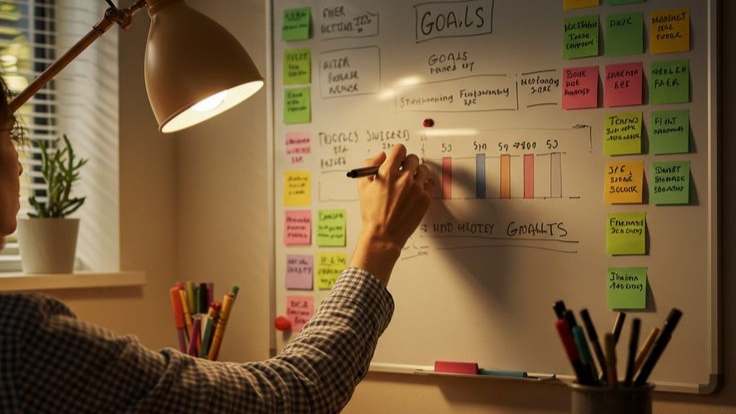
So, does studying at 3 a.m. actually work? The answer depends on how you approach it. Waking up early may provide extra study time for some students, but it does not automatically lead to better grades. If waking up at 3 a.m. means sacrificing sleep, the habit may do more harm than good. On the other hand, students who get sufficient sleep and feel alert in the early morning may find that schedule works for them.
Academic success is not simply about how many hours students spend studying or how early they wake up. It also depends on how effectively they use their time, the learning strategies they apply, and whether they take care of their health.
Before setting your alarm for 3 a.m., ask yourself: Are you studying smarter or just sleeping less? Rethink your study habits and find what truly works for you!
*****
Produk Rekomendasi Sunday









Dapatkan informasi mengenai kesehatan mental, edukasi seksual, dan tips pelajar hanya di Majalah Sunday, teman curhat remaja Indonesia.
Ikutan berkarya di
Konten Lainnya
Terbaru
Terbaru
Dengerin Podcast
Penasaran? Yuk, tonton sekarang di YouTube!
Terpopuler
Terpopuler
Views: 3