
Dancing Plague of 1518
Penulis: Jeyano Zaidan Enggelete – Universitas Kristen Indonesia
Throughout history, unusual events have challenged our understanding of human behavior. On such example is the Dancing Plague of 1518, an outbreak that occurred in Strasbourg, then part of the Holy Roman Empire. According to historical accounts, a woman began dancing uncontrollably in the streets, and dozens or possibly hundreds of people eventually joined her. The outbreak caused widespread confusion and raised an important question: why did so many people dance seemingly against their will?
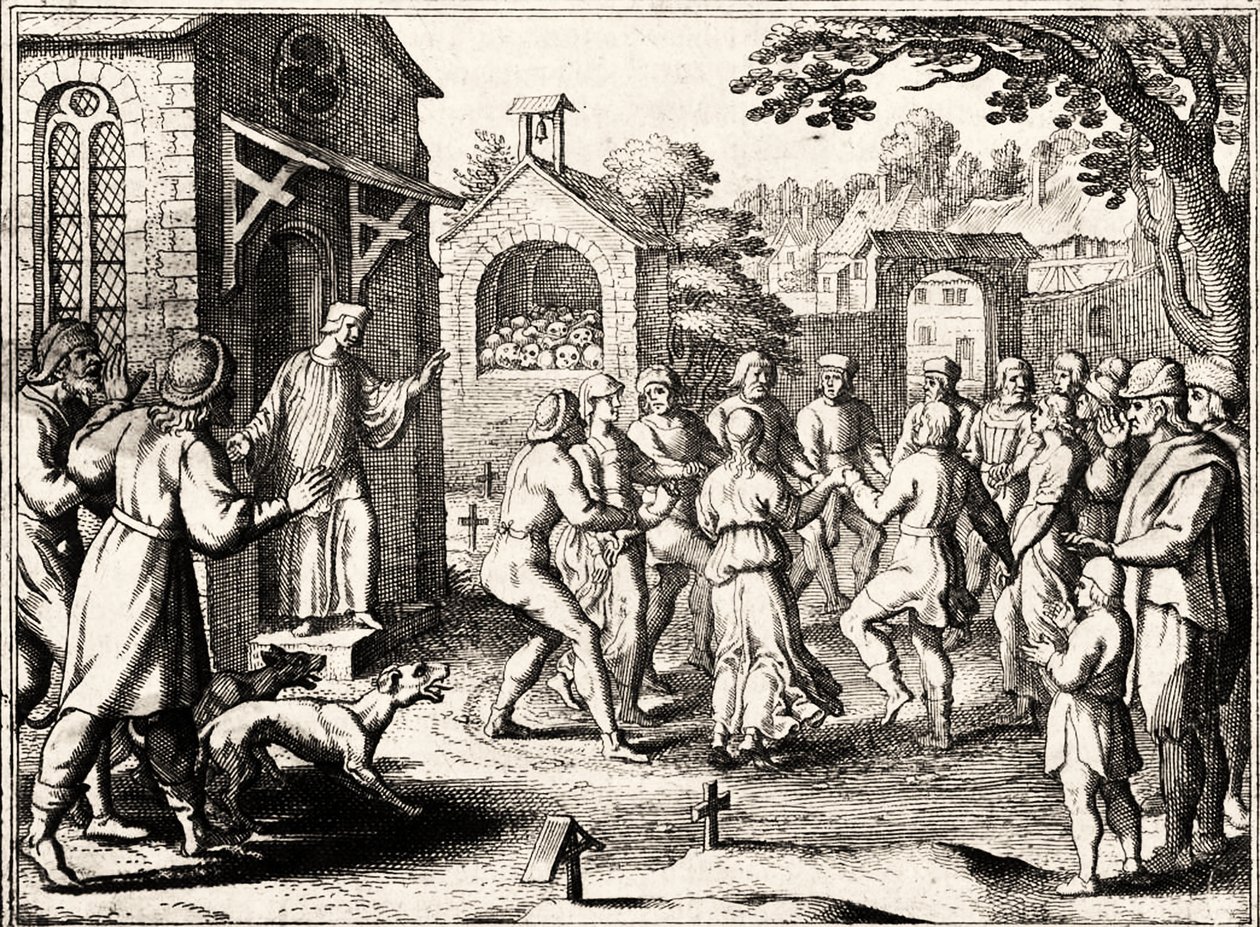
The Beginning of the Outbreak
The Dancing Plague reportedly began in July 1518 with a woman commonly identified as Frau Troffea. Historical accounts describe her dancing in the streets for days, apparently unable to stop. Over the following days and weeks, more people reportedly joined the dancing, and the outbreak became a serious concern for the city.
Some accounts suggest that dancers continued until they collapsed from exhaustion. The unusual behaviour scared residents, who struggled to understand what was happening.
How the Authorities Responded
As the outbreak continued, Strasbourg’s authorities attempted to find a solution. Some physicians believed the dancing resulted from an imbalance in the body and that physical activity could help the affected individuals recover. Following this reasoning, officials reportedly provided spaces for dancing and hired musicians to accompany the participants.
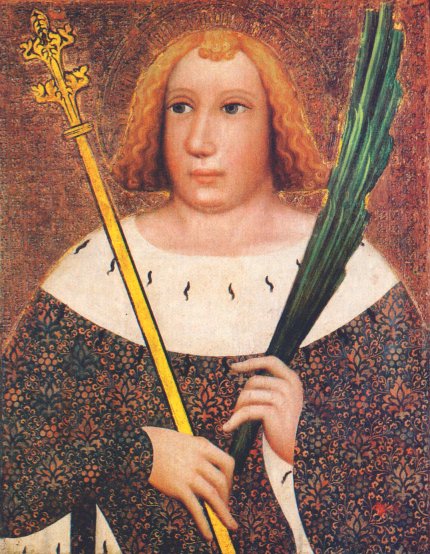
However, the approach did not produce the expected results. The authorities eventually changed their strategy and restricted public dancing and music. Some affected individuals were also sent to a shrine associated with Saint Vitus, whom people believed could help those suffering from dancing-related afflictions.
But, not one of these solutions helped with the spreading outbreak. As the dancers continued dancing until they stopped because of exhaustion, and some died from it.
Theories Behind the Dancing Plague
Several theories have been proposed to explain the Dancing Plague, although none has been conclusively proven.
Ergot Poisoning:
Ergot is a fungus that can grow on grains such as rye and cause symptoms including convulsions and hallucinations when consumed. Some researchers have suggested that contaminated food might have contributed to the outbreak. However, ergot poisoning does not neatly explain the reported pattern of prolonged dancing among large numbers of people.
Mass Psychological Panic:
Psychological stress and social influences contribute to physical symptoms experienced by a group. The symptoms are real, even when no single physical cause can be identified. Fear, uncertainty, and shared expectations may have influenced the behaviour of Strasbourg’s residents, although the limited historical evidence prevents researchers from confirming this explanation.
Religious Beliefs:
During this period, Saint Vitus was associated with dancing-related afflictions. The people who obviously have these beliefs might have interpreted the outbreak through their religious understanding of the world. These beliefs could have also influenced how they perceived and responded to the unusual behaviour.
Socio-Economic Stress:
Poverty, disease, and poor harvests created difficult living conditions in large swathes of Europe. Such hardships could have increased psychological distress and fear, potentially making the community more vulnerable to collective behavioural disturbances.
What the Records Tell Us
Historical chronicles and other documents provide evidence that an unusual dancing outbreak did occur in Strasbourg in 1518. However, the exact number of participants, the duration of the outbreak, and its consequences remain uncertain.
The perspectives of historical writers also complicate the investigation. Sixteenth-century observers interpreted events through the medical knowledge, religious beliefs, and cultural expectations of their time. Their accounts help historians understand how the outbreak was perceived, but they do not necessarily reveal its underlying cause.
For this reason, researchers must distinguish between documented historical evidence and later exaggerations. Examining the records critically allows us to understand the event without treating every detail in popular retellings as fact.
The Dancing Plague's Legacy
The Dancing Plague continues to fascinate historians, medical researchers, and the general public alike, because it raises questions about the relationship between the mind, body, and society. It provides an opportunity to examine how psychological distress, religious beliefs, and social pressures may influence human behavior.
For historians, the outbreak offers insight into life in early modern Europe and the limitations of medical knowledge at the time. For psychological researchers, it provides a historical example for discussing collective behaviour and mass psychological illness. However, the event cannot be assigned a definitive modern diagnosis because the available evidence is extremely limited.
The Dancing Plague reminds us that human behaviour is a very complicated and fascinating thing to behold. To search for an answer to this past event could prove useful to future psychologists, historians, and other researchers. Though a definite answer may not come we must still be curious and study it nonetheless. Who knows, maybe someday in the future something similar might happen again.
Produk Rekomendasi Sunday





*****

Dapatkan informasi mengenai kesehatan mental, edukasi seksual, dan tips pelajar hanya di Majalah Sunday, teman curhat remaja Indonesia.
Ikutan berkarya di
Konten Lainnya
Terbaru
Terbaru
Dengerin Podcast
Penasaran? Yuk, tonton sekarang di YouTube!
Terpopuler
Terpopuler
Views: 1