
Love, Friendship, and Loneliness: How Relationships Affect Mental Health
Penulis: Amelia Listiany – Universitas Kristen Indonesia
Think about the last time your best friend left you on read, or the group chat went quiet after you posted something. That small, sinking feeling in your stomach? It’s more than just “being dramatic.” It’s your brain telling you something real: people matter to us, and our relationships shape how we feel inside.
Why Relationships Matter So Much When You're a Teen
Adolescence is the stage of life when friends, family, and first crushes start to feel like everything. Your friends are the people you laugh with at school, vent to at midnight, and figure out who you are alongside. Your family shapes how safe you feel at home. And romantic feelings, even the confusing, one-sided ones, can make your emotions feel louder than ever.
When these relationships are healthy, they act like a safety net. You feel supported, understood, and more able to handle stress. But when they feel shaky, many teens quietly deal with loneliness, the fear of being left behind, or constant pressure to be accepted by everyone around them. Many of these feelings are common, but they’re rarely talked about out loud.
So let’s talk about them.
1. The Fear of Being Replaced
You notice your close friend hanging out with someone new. They laugh at inside jokes you’re not part of. Suddenly a voice in your head asks: “Am I being replaced?”
This fear is incredibly common. It comes from a deep human need to belong. The problem starts when this fear makes you act out of panic: checking who they’re with, getting jealous, or trying too hard to stay “important.” Remember that friendships aren’t a competition. A person can have more than one close friend without loving you any less. If the worry keeps growing, try talking honestly with your friend, something like, “I miss hanging out with you.” It’s often much less scary than the stories we create in our heads.
2. Friendship Breakups: When Losing a Friend Really Hurts
We often talk about romantic breakups, but losing a close friend can hurt just as much, sometimes more. Maybe you drifted apart, had a big fight, or were suddenly cut off. You may feel sad, confused, angry, or even embarrassed that you’re this upset over “just a friendship.”
Here’s the truth: your grief is valid. A friend can know your secrets, your family, and your worst days. Losing that is a real loss. Give yourself time to feel it, talk to someone you trust, and avoid blaming yourself for everything. Not every friendship is meant to last forever, but every friendship teaches you something about what you need and deserve.
3. People-Pleasing: Putting Everyone Else First, Yourself Last
Are you the one who always says “it’s fine” when it isn’t? Who agrees to plans you don’t want, takes on everyone’s problems, or apologizes even when it’s not your fault?
This is called people-pleasing: a habit of putting other people’s feelings so far ahead of your own that you start to disappear. It may look like kindness, but over time it leads to exhaustion, resentment, and feeling like nobody really knows the real you. Being a good friend doesn’t mean saying yes to everything. Kindness that costs you your well-being isn’t sustainable.
4. Emotional Dependency: When Someone Becomes Your Whole World
It’s beautiful to have someone you can lean on. But emotional dependency is different: it’s when your mood, your self-worth, and your sense of safety rely almost entirely on one person. If they’re happy with you, you’re okay. If they pull away, you feel like you’re falling apart.
This can happen in romantic relationships, but also in friendships and even online connections. Signs might include feeling anxious when they don’t reply, struggling to make decisions without them, or dropping your other friends and interests. Healthy love adds to your life; it doesn’t replace everything else in it. Keeping your own hobbies, friendships, and goals isn’t betraying your relationship. It’s protecting yourself.
5. The Pressure to Be Liked
In the age of social media, being liked can feel like a number: likes, followers, views, story replies. It’s easy to start believing your worth depends on how many people approve of you.
But constantly performing to be accepted is exhausting. You might change your opinions, your style, or even your personality depending on who you’re with. The more you do this, the lonelier you can feel, because the people liking you aren’t really seeing you. Real connection happens when you’re brave enough to be a little more real, even if not everyone clicks with you. And that’s okay. You don’t need everyone. You need a few people who feel safe.
6. Healthy Boundaries: Saying “No” Without Guilt
Boundaries are simply the limits that show what you’re comfortable with, such as how much time you give, what you share, and how you want to be treated. Many teens, especially in cultures where being polite and not “making things awkward” is highly valued, struggle to set them.
Setting a boundary can be as simple as:
• “I can’t talk right now, but I’ll message you later.”
• “I’m not comfortable with that joke.”
• “I need some time alone today.”
A boundary isn’t selfish, and it isn’t a punishment. It’s a way of saying, “I want to keep this relationship healthy, and that includes taking care of myself.” People who truly care about you will respect them.
7. Being Needed vs. Being Loved
This one is easy to miss. Some of us feel valued only when we’re useful: the friend who always helps with homework, the one who solves everyone’s drama, the one who’s always available. It can feel like love. But there’s a big difference between being needed and being loved.
Being needed says, “I value what you do for me.” Being loved says, “I value who you are, even when you do nothing for me.” In a healthy relationship, you can rest, make mistakes, say no, and still be cared for. If you only feel safe when you’re being useful, it may be time to ask whether that relationship is truly supporting you.
Building Relationships That Support You
Here’s what to take with you:
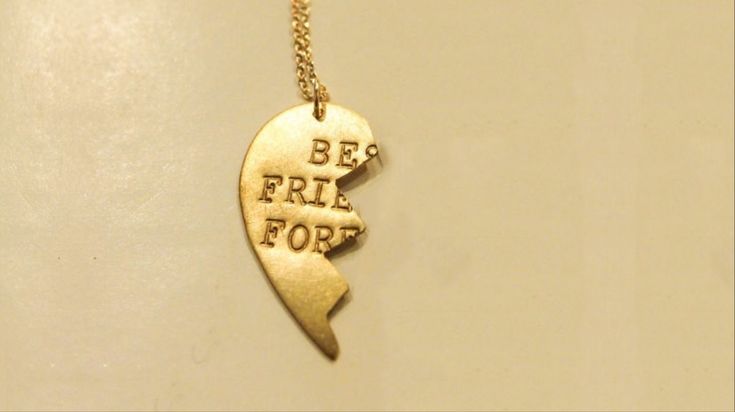
• Healthy relationships are built on mutual respect. Both people listen, both people give, and both people can be honest.
• Setting boundaries is not selfish. It protects both you and the people you care about.
• You don’t have to lose yourself to keep someone. The right people won’t ask you to disappear.
If you’re feeling lonely, anxious about your relationships, or overwhelmed by these feelings, you’re not weak, and you’re definitely not alone. Talk to someone you trust, whether that’s a friend, a family member, a teacher, or a school counselor. If these feelings start to affect your sleep, your daily life, or how you see yourself, consider reaching out to a mental health professional. Asking for help is a sign of strength.
Start small today. Check in on a friend. Say “no” to one thing you don’t want to do. Spend a few minutes doing something that’s just for you. Because the most important relationship you’ll ever have is the one you have with yourself, and everything else grows from there.
Produk Rekomendasi Sunday





*****

Dapatkan informasi mengenai kesehatan mental, edukasi seksual, dan tips pelajar hanya di Majalah Sunday, teman curhat remaja Indonesia.
Ikutan berkarya di
Konten Lainnya
Terbaru
Terbaru
Dengerin Podcast
Penasaran? Yuk, tonton sekarang di YouTube!
Terpopuler
Terpopuler
Views: 1